
 Back
Back

An industry case study featured by Renewable Energy World highlights a recent grid-hardening success in Florida managed by Victory Powerline Services (VPS). The report demonstrates that moving distribution circuits underground is not just a method for strengthening the grid against storms but also a strategic way to reduce long-term operational expenses.
Analyzing the Backlot Challenge
The project originally focused on reinforcing more than 50 poles and their accompanying conductors located in the backyards of numerous residential properties. John Wingfield, the Director of Field Operations for VPS, explained that the location of these assets presented a logistical nightmare.
To harden the overhead lines, crews would have been forced to navigate fences, storage sheds, and expensive landscaping using specialized backlot machinery and protective matting. This process would not only be costly for the initial construction but would also repeat every time a major weather event required power restoration in those difficult-to-reach areas.
A More Economical Alternative
After performing several site walk-downs, the VPS team worked with the general foreman to propose a shift to undergrounding. While the initial price tag for a two-month horizontal directional drilling operation was higher than the overhead plan, the long-term math favored the underground approach.
Wingfield noted that the costs of maintaining the overhead lines would accumulate like interest on a high-rate loan. By investing $1 million to place the circuits underground, the utility could eliminate recurring expenses related to tree trimming and animal interference.
Measurable Benefits in Reliability
The primary driver for the project was improving service for a region that historically suffered from frequent power failures. By moving the lines beneath the surface, the utility expects a significant drop in its System Average Interruption Frequency Index (SAIFI). Industry data suggests that for a group of 50 customers, this type of transition can reduce interruptions by as much as 0.3 to 1.9 per customer every year.
By prioritizing this reliability-focused funding, VPS helped the utility secure a more stable future for its customers while significantly lowering its future maintenance liabilities.
Visual Documentation of Progress
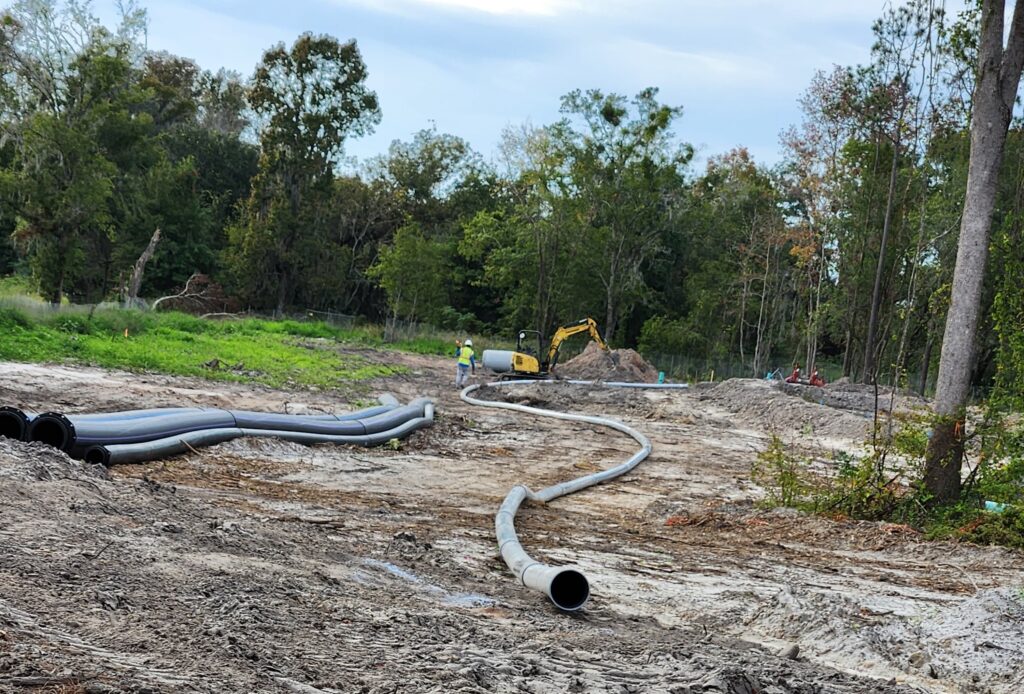
The team utilized a horizontal directional drill to install approximately one mile of double-circuit distribution pipe, ensuring the project was completed with minimal disruption to the residential properties above.
Source: renewableenergyworld.com


