
 Back
Back
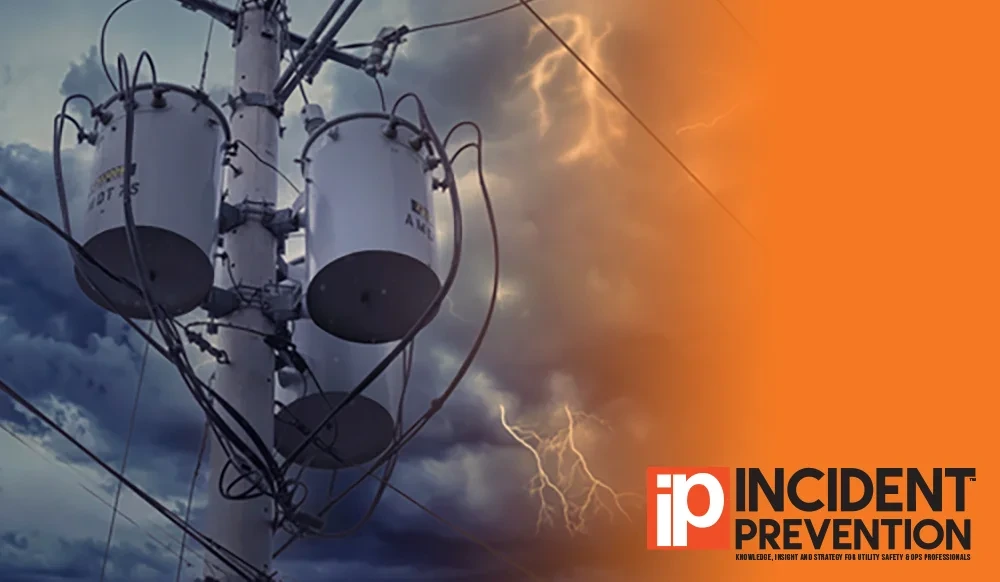
Electric utilities serve as the foundation of modern infrastructure, delivering power to vital services, businesses, and residential areas. However, this essential service remains susceptible to severe weather that can damage equipment and threaten public safety. Given the increasing intensity of climate events, it is vital for power organizations to maintain a sophisticated storm response protocol.
With over 26 years of experience in the field as both a lineman and a safety expert, I have managed restoration efforts and logistics first-hand. I have seen that a well-executed plan is the only way to protect staff, maintain public trust, and satisfy regulatory requirements.
A truly effective storm response strategy must focus on these five core areas.
1. Minimizing Downtime and Maintaining Continuity
The primary goal of any response plan is to reduce the duration of outages safely. Rather than reacting to damage after it happens, a strong plan allows a utility to respond. This includes pre-staging equipment and repair teams in strategic locations before a storm arrives. By moving resources closer to the predicted impact zone, recovery times can be slashed. Without this preparation, the resulting delays can cost local economies millions and put vulnerable populations at risk.
2. Prioritizing Public and Employee Safety
Repairing a grid during or after a storm is inherently dangerous. Workers face threats from fallen lines, unstable structures, and back-feed from portable generators. A professional plan ensures that every team member is trained for their specific role and follows strict safety standards. These protocols protect lives and shield the utility from the massive liabilities and reputational harm that follow workplace accidents.
3. Navigating Regulatory Standards and Risk
Many regulators now mandate that utilities have a documented and tested storm response plan. Performance is often audited after major events, and having a proven strategy in place can prevent heavy fines or increased government oversight. Furthermore, insurance companies and investors look for these plans as a sign of stability. A utility that demonstrates disaster preparedness is far more likely to secure better insurance rates and maintain investor confidence.
4. Coordinating Mutual Aid and External Resources
No single utility can manage the total destruction caused by a major hurricane or ice storm alone. A successful plan includes pre-arranged mutual-aid agreements with other providers and vendors. It should detail exactly how to request extra line crews, vegetation management teams, and damage assessors. Planning ahead also ensures that fuel, vehicles, and repair materials are ready and accessible, which is often the difference between a standard recovery and a prolonged crisis.
5. Executing Post-Storm Evaluations
The work does not end when the lights come back on. A robust plan includes a formal review process to analyze the timeline and effectiveness of the response. By identifying what worked and what failed, a utility can update its protocols for the future. Regular drills combined with these post-event assessments create a culture of constant improvement, helping the organization adapt to new and evolving weather threats.
Conclusion
A structured storm response plan is no longer optional for modern utilities. It provides the necessary roadmap for personnel to act with speed and precision. If you have questions about building a more resilient strategy for your organization, please reach out to me at kcoffey@atkenergygroup.com.


