
 Back
Back
An article published by T&D World recently explored a successful grid reinforcement project where a utility in the Southeast achieved massive financial savings. By utilizing Victory Powerline Services (VPS) for technical inspection and field oversight, the provider successfully upgraded its distribution network while slashing $1.4 million from the initial budget estimates.
Avoiding the Expenses of Subterranean Construction
The original engineering plan for the project required 70 foot concrete poles to carry a stacked double-circuit feeder. When height limitations made this design impossible, a new plan suggested placing the express feeder underground along a public walkway.
John Wingfield, who serves as the Director of Field Operations for Victory Powerline Services, quickly identified the financial dangers of this approach. He pointed out that burying the line would trigger a year of complex construction and require numerous local permits.
This route would have forced the excavation of more than a mile of sidewalk and resulted in frequent traffic disruptions. Furthermore, the daily costs for cranes (ranging from $3,000 to $4,000) along with boring equipment and night-shift labor would have caused the budget to skyrocket.
A Cost-Effective Overhead Redesign
The price tag for the underground alternative was significant. The project would have required 1,000 MCM cabling at a cost of roughly $400,000. When factoring in the necessary switchgear, reclosers, and additional labor, the underground design added a total of $1.4 million to the expected project costs.
As an alternative, VPS recommended a back-to-back overhead setup. This strategy used 55 foot concrete poles with circuits placed on both the field and roadside. This allowed the use of standard distribution trucks, which are designed to handle poles up to 60 feet. VPS ensured this method was fully compliant with the utility provider’s internal standards.
Meeting Deadlines and Regulatory Requirements
Once the utility’s technical group cleared the VPS proposal, the engineering blueprints were finalized. This more efficient overhead path allowed construction teams to meet the in-service deadline set by the state public service commission. VPS provided constant transparency by delivering daily status reports to the utility’s management team throughout the build.
Adam Prosser, CEO of ATK Energy Group, highlighted the importance of this strategic intervention. He noted that this case is a perfect example of how high-quality field management pays for itself. By pivoting the project’s technical direction, VPS saved $1.4 million for both the utility company and its local ratepayers.
Project Milestone Gallery
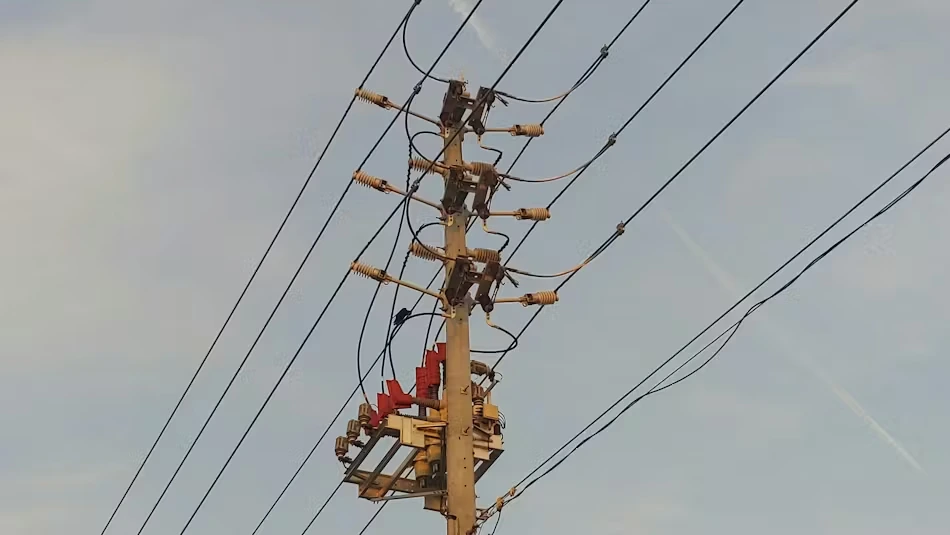
- Phase One: The initial setup utilized a traditional stacked feeder pole.
- Redesign: Technicians reframed the structure for a double-circuit configuration.
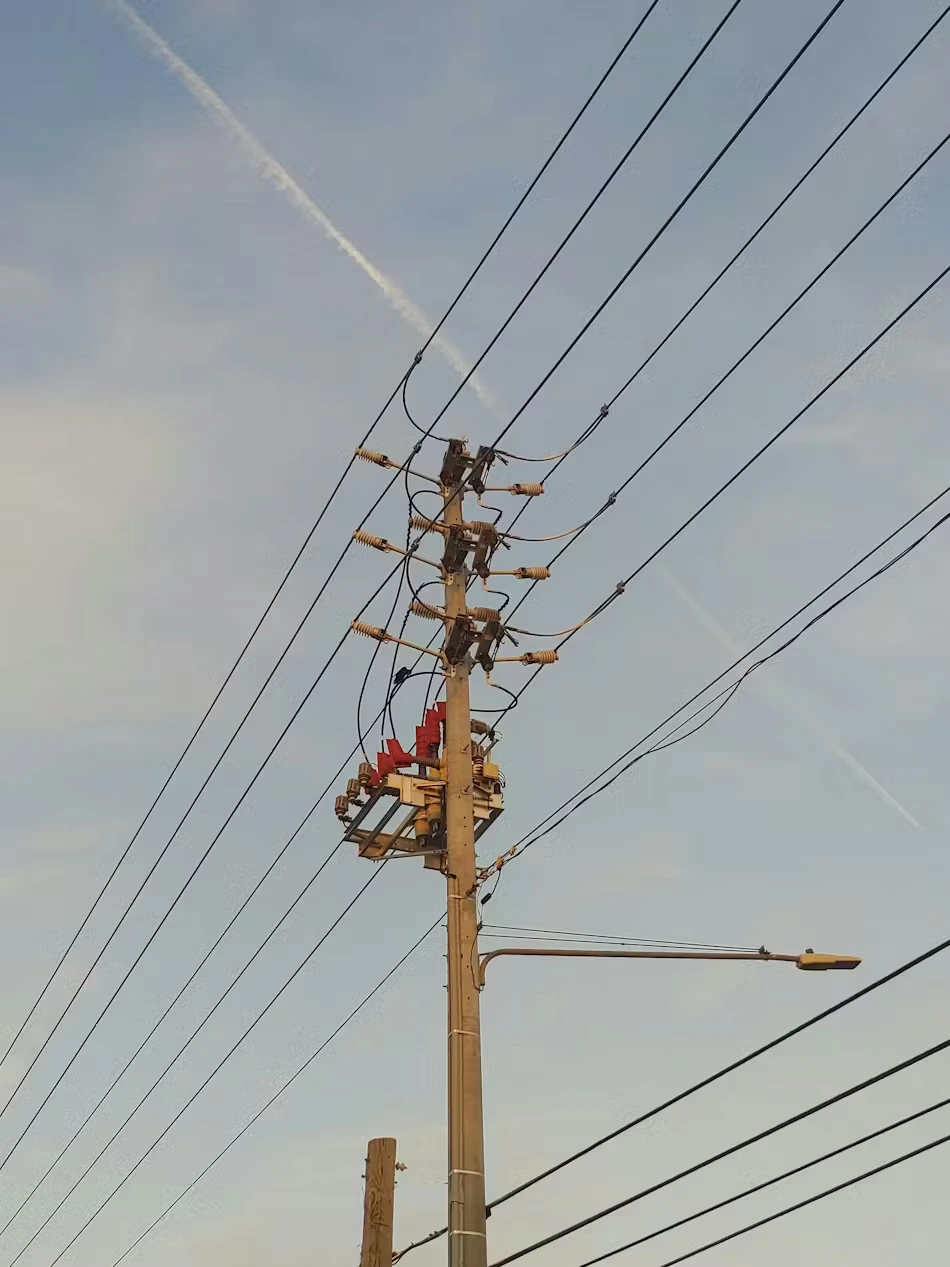
- Finalization: The project concluded with side-by-side circuits and a specialized recloser.
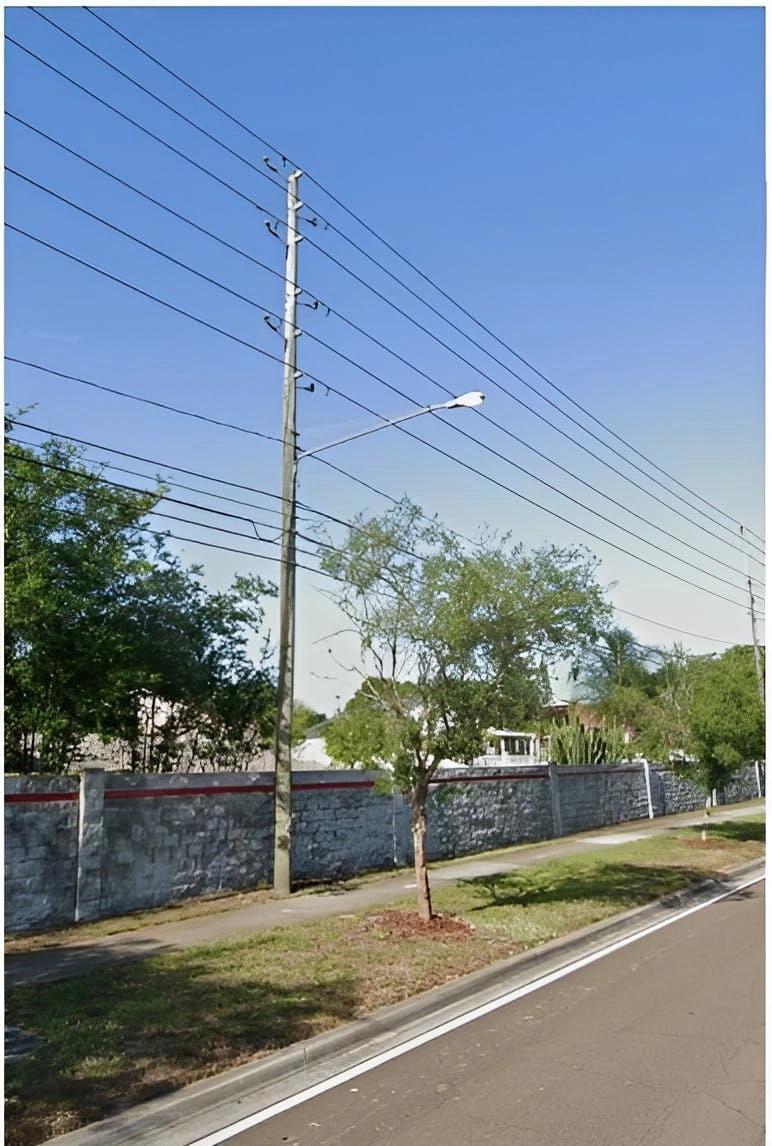
After: Reframing to Double Circuit
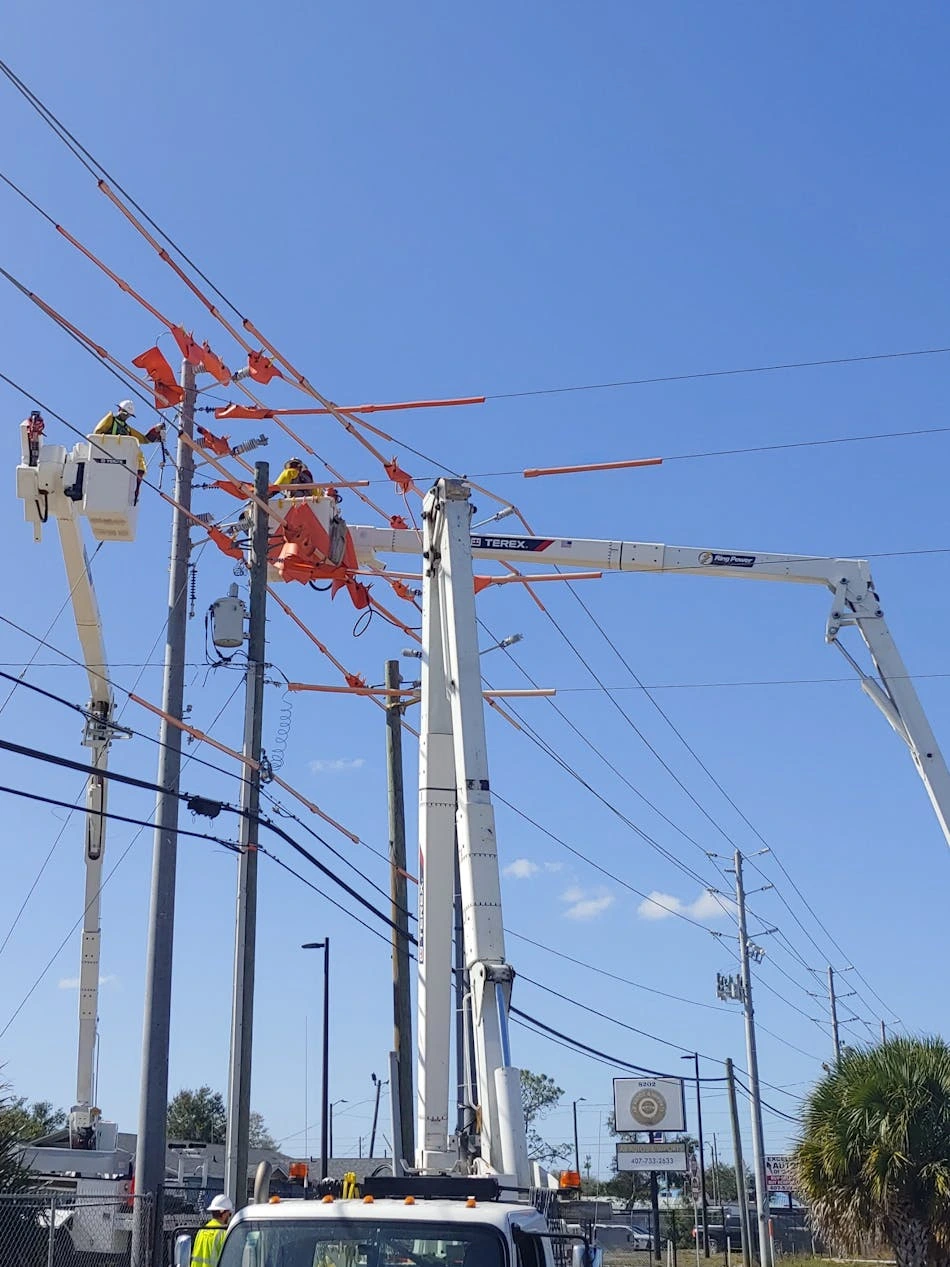
Completed: Side-by-Side Circuits with a Recloser
Source: tdworld.com


