
 Back
Back
Data from the U.S. Department of Energy indicates that over twenty percent of power failures in the United States are caused by vegetation. Because of this, managing trees and brush represents a massive financial commitment for power companies. In an article for Renewable Energy World, Glenn Wilson of ATK Energy Group explains that utility providers must transition from reactive repairs to a broad, tech-driven strategy to protect both their hardware and their bottom line.
The Core Concepts of Systemwide Strategy
Dennis Fallon, who leads the Utility Arborist Association, suggests that utility providers should not try to save money by simply slashing their trimming budgets. Instead, these programs need to be recognized as major budgetary priorities from the start. A comprehensive approach relies on three specific areas: educating the public, utilizing modern software, and increasing field-level job site management (JSM).
Technology as a Force Multiplier
Utility teams are now using advanced tools like LiDAR and satellite imaging to find potential issues before a blackout happens. LiDAR can identify branches touching specific lines, while satellite data shows the health of trees across a wider territory. This allows companies to send crews exactly where they are needed most, rather than wasting time on low-risk areas.
The Financial Value of Field Management
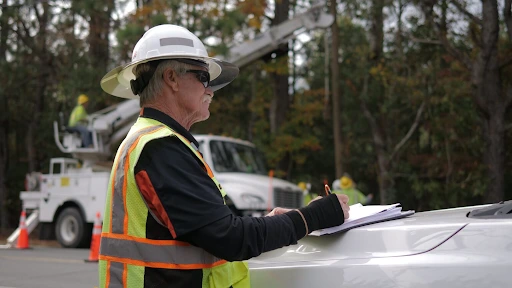
While software is helpful, it cannot replace the expertise of professionals on the ground. Job site managers (JSMs) act as the link between field contractors and the utility’s internal project leads. These independent auditors make sure that tree crews work efficiently and meet the utility’s high standards. This oversight helps keep project costs under control, which eventually saves money for the utility’s members and customers.
Data Informed Planning and Reliability
Tracking reliability data like SAIFI (how often outages occur) is essential for a good strategy. Studies show that even minor changes to maintenance schedules have a huge impact. For example, a University of Connecticut study found that storm-related outage rates were between 35 and 180 percent lower on lines that received proactive care compared to those that did not. In North Carolina, shortening a pruning cycle by just one year was found to drop monthly outages by 13 percent.
Real World Results: Lowering Costs Per Mile
The financial benefits are clearly seen in the case of a Minnesota electric cooperative. Initially, the organization spent heavily on reactive “hotspot” fixes. After moving to a strategic, overseen model, their cost per mile dropped from $2,400 to only $500 over several years. This proves that investing in a broad system is much cheaper than constantly reacting to emergencies.
Strategic Integration Across the Utility
A successful vegetation manager must be able to discuss the financial health of the company convincingly. By joining project meetings and highlighting how tree management impacts new builds or land acquisition, they can help lower the entire company’s risk profile. Shifting to a preventative model that uses digital records and on-site oversight is the best way to reduce fire risks and secure a better return on every dollar spent.
Source: renewableenergyworld.com


