

 Back
Back
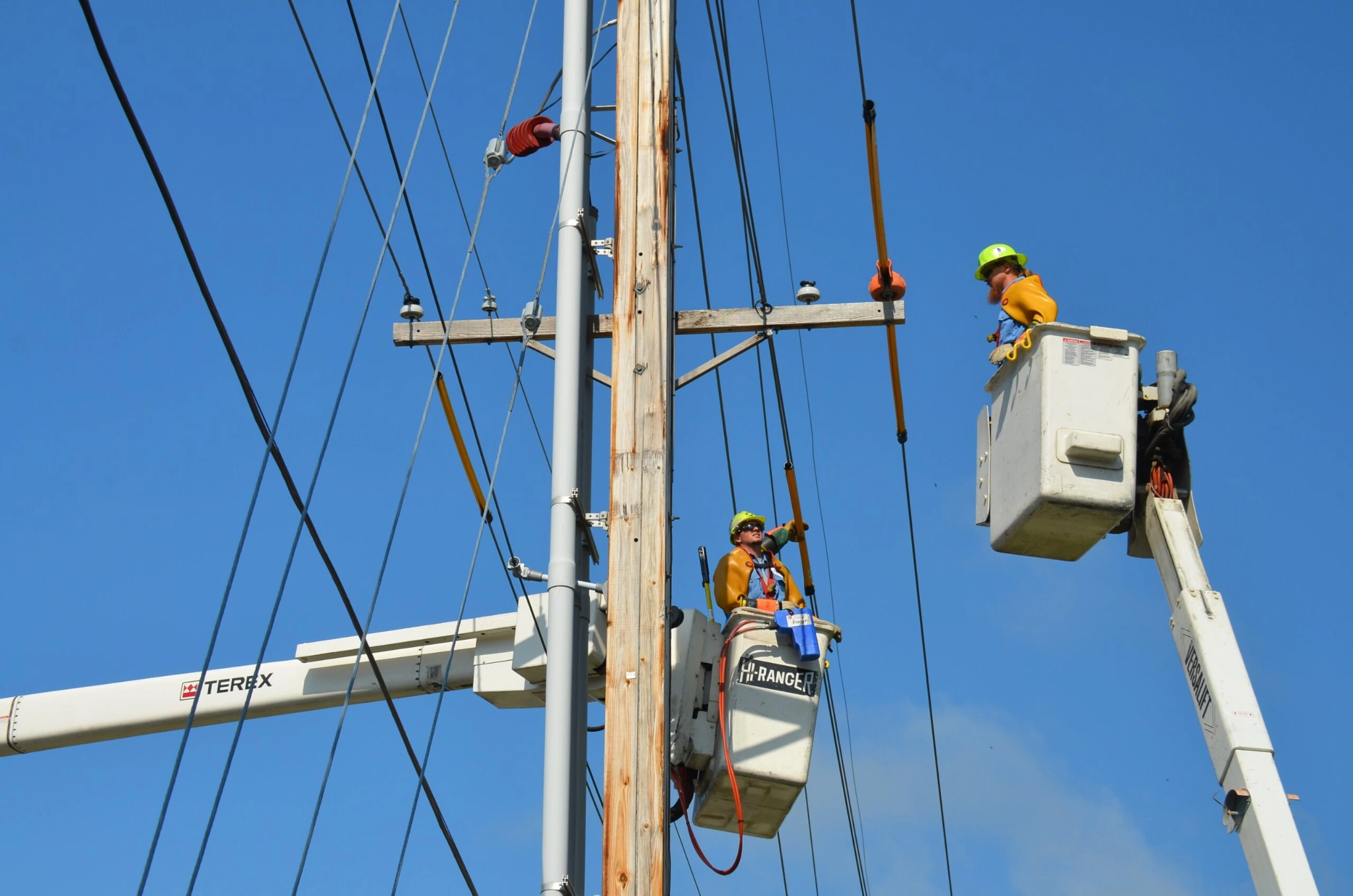
The push to modernize the electrical grid is colliding with a tightening workforce. Projections indicate that the utility sector will need to fill over 10,000 line worker roles every year through the next decade. As power demands surge from new residential developments and the rise of electric vehicles, utility companies are leaning more on external contractors. However, managing this influx of outside help requires more than office-based project management: it demands veteran “eyes in the field” to maintain operational efficiency and fiscal discipline.
The Financial Impact of Unsupervised Field Operations
When field oversight is neglected, minor errors can quickly escalate into multi-million dollar budget deficits. In one specific case, a utility’s feeder project ballooned from a $900,000 estimate to a final cost of $3.5 million. This $2.6 million overrun was directly attributed to insufficient field management.
Because many contractors are compensated based on installation volume, labor hours can easily spiral without strict, on-site supervision. Across multiple crews, these uncoordinated field decisions can drain millions from capital and O&M budgets.
Streamlining Construction and Removing Obstacles
A Job Site Manager (JSM) acts as a vital bridge between high-level project goals and daily field execution. Their primary value lies in identifying expensive shortcuts before they happen. For example, a crew might prefer laying $75,000 in specialized matting to reach a remote pole rather than spending a fraction of that time and money on basic vegetation management for access.
A skilled JSM spots these choices early. By preparing sites in advance (such as ensuring residents move blocked vehicles) a JSM makes certain that crews remain productive from the moment they clock in.
Precision in Inventory and Material Logistics
Material management is another area where a JSM offers immediate financial returns. By conducting final site audits, managers ensure that all issued hardware, even small components, is actually installed. This prevents thousands of dollars in “ghost” inventory from being discarded or lost. Furthermore, JSMs guarantee that the equipment used matches the specific environment. Using a high-cost, salt-water-resistant insulator in a region that doesn’t require it is a waste of funds, while using standard hardware in a coastal zone leads to premature failures and expensive emergency outages.
Optimizing Safety, Traffic, and Labor Productivity
With daily traffic control rates reaching as high as $6,500, an experienced JSM can save significant funds by determining if full flagger crews are truly necessary for safety or if alternative controls suffice. Effective planning also eliminates the “dead time” associated with incorrect materials. If a five-man crew loses half a day returning to a service yard to swap parts due to poor planning, the utility essentially throws away over $1,100 in labor costs in a single afternoon.
Long-Term Strategic Value
On a standard $20 million distribution initiative, professional field oversight can yield upwards of $500,000 in direct savings. This is often achieved through “constructability reviews,” where a JSM audits designs alongside engineers before the first pole is set. This proactive approach catches drafting errors early, preventing the need for expensive “redline” revisions during active construction.
Ultimately, shifting toward dedicated job site management is a move from reactive crisis management to proactive cost containment. By ensuring every hour of labor and every piece of equipment is deployed with precision, utilities can protect their bottom line and provide better value to their members and customers.
Source: renewableenergyworld.com


